
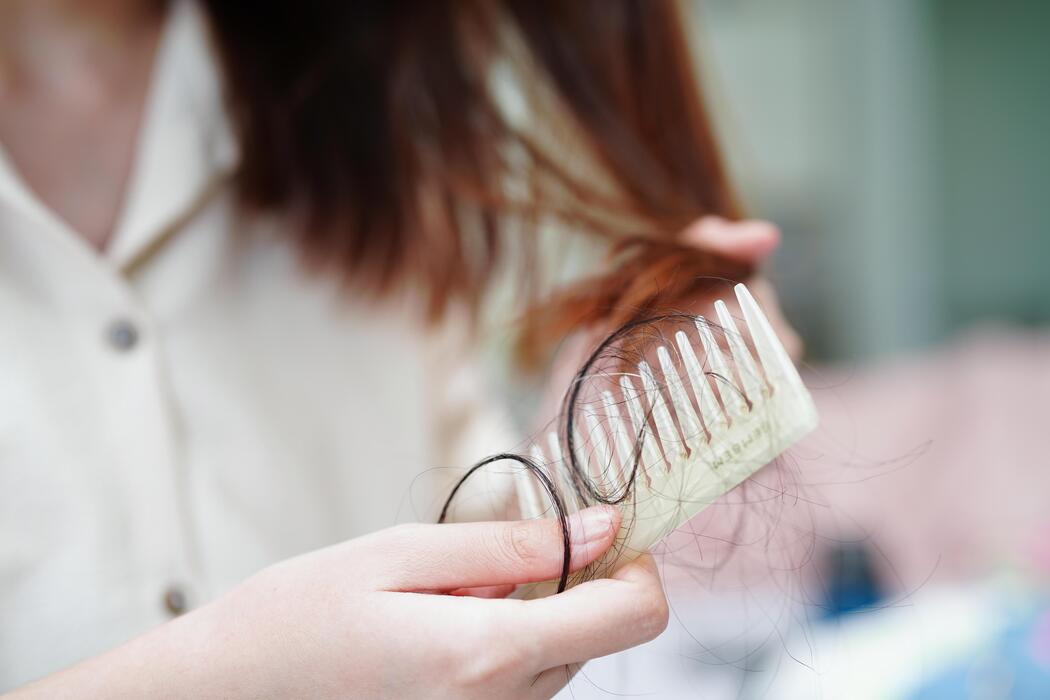
Hair shedding can feel sudden, confusing, and stressful. One day, your ponytail looks thinner. Another day, you notice more hair in the shower drain. For many people in Westchester, hair loss starts quietly, then becomes hard to ignore.
The good news is that hair loss is not one single condition. It is a symptom with many possible causes, and the right treatment depends on identifying what is driving it. At DermCare of Westchester, hair loss evaluation and treatment are part of our Medical Dermatology services, with personalized plans that may include topical and oral medications, in-office treatments, and hair restoration therapies.
This guide breaks down the most common types of hair loss, what a dermatology evaluation looks like, and what options may actually help.
Why Hair Loss Happens: The Biggest Categories
Most hair loss falls into a few major buckets. Understanding the category helps narrow down the next best step.
Pattern Hair Loss (Androgenetic Alopecia)
This is the most common type of hair loss in both men and women.
- In men, it often shows up as a receding hairline and thinning at the crown.
- In women, it usually appears as overall thinning, especially at the part line or top of the scalp.
Pattern hair loss tends to progress slowly, which is why people often do not notice it right away.
Stress or Trigger Related Shedding (Telogen Effluvium)
This type of shedding can happen after a triggering event, such as:
- Major stress
- Illness or fever
- Surgery
- Significant weight changes
- Postpartum changes
- Certain medications
- Nutritional deficiencies
Telogen effluvium often shows up as noticeable shedding across the scalp rather than a single bald spot. It can feel alarming, but it is often treatable once the root trigger is identified.
Autoimmune Hair Loss (Alopecia Areata)
Alopecia areata often presents as round or oval patches of hair loss. It can be mild with a small patch or more extensive. A dermatologist can help confirm the diagnosis and discuss treatment options.
DermCare evaluates and treats common hair loss conditions, including alopecia areata, androgenetic alopecia, and telogen effluvium. Learn more on our Medical Dermatology page.
Early Signs You Should Not Ignore
Hair loss is easier to treat when addressed early. Consider scheduling an evaluation if you notice:
- Widening part line
- Thinning at the crown or temples
- A sudden increase in shedding for more than a few weeks
- A new bald patch
- Itching, burning, tenderness, or flaking on the scalp
- Hair breakage that feels different than normal shedding
If you are unsure whether you are shedding or truly thinning, a dermatologist can help you tell the difference.
What a Dermatology Hair Loss Evaluation Looks Like
A good hair loss workup is more than a quick glance at the scalp. At DermCare, the goal is to identify the type of hair loss and build a plan that fits your hair goals, lifestyle, and medical history.
A typical evaluation may include:
1) Detailed History
Your dermatologist may ask about:
- When the hair loss started
- Whether it is gradual or sudden
- Stress level and major life events
- Diet and recent weight changes
- Pregnancy or hormonal shifts
- Family history of hair loss
- Recent illnesses or new medications
- Hair styling habits and chemical treatments
2) Scalp and Hair Exam
A scalp exam checks for inflammation, redness, scaling, and the distribution pattern of thinning.
3) Targeted Testing When Needed
Depending on your case, your dermatologist may recommend lab work or other evaluation steps to look for common contributors like iron issues, thyroid imbalance, or other factors that can worsen shedding.
The goal is simple: treat the cause, not just the symptom.
Hair Loss Treatments a Dermatologist May Recommend
Because hair loss can have multiple causes, treatment is rarely one size fits all. DermCare’s approach is personalized and may include topical and oral medications, in-office treatments, and hair restoration therapies as appropriate.
Here is a clear breakdown of what treatment plans often include.
Topical Treatments
Topical therapies are often used to support hair growth and reduce the progression of thinning. These can be especially helpful for pattern hair loss when started early.
Oral Medications
In some cases, oral medications may be considered based on diagnosis, medical history, and patient preference. These decisions should always be made with a dermatologist since what is appropriate differs for men vs women and depends on other health factors.
In Office Treatments
Some patients benefit from in-office treatments as part of a broader plan. These can be used to support regrowth, calm inflammation, or improve scalp health, depending on the underlying diagnosis.
Hair Restoration Therapies
Hair restoration is not always a transplant conversation. Many people simply want to slow hair loss, strengthen existing hair, and regain density over time. DermCare’s plans can include hair restoration therapies tailored to your condition. You can start by booking a consultation through our Contact Us page.
What You Can Do at Home While You Wait for Your Appointment
While it is best not to self-diagnose, there are safe steps that help many patients protect their hair while evaluation is in progress:
- Be gentle with styling and avoid tight ponytails or traction
- Minimize harsh chemical processing until you understand the cause
- Focus on consistent sleep and stress management where possible
- Avoid crash dieting
- Use gentle scalp care and avoid aggressive scratching if you have an itch or flaking
If you are experiencing scalp symptoms like burning, redness, or significant scaling, that is another reason to see a dermatologist sooner rather than later.
Hair Loss in Women: Common Concerns
Women often experience hair loss differently from men. Some of the most common patterns include:
- Diffuse thinning along the part
- Shedding after a stressful event or postpartum
- Hormonal shifts that affect density
- Breakage from heat, coloring, or traction
A dermatology evaluation helps distinguish true shedding from breakage and helps identify whether the issue is pattern thinning, a trigger-based shed, or another medical factor.
Hair Loss in Men: Common Concerns
For men, the most common issue is pattern hair loss, often starting at the temples or crown. Earlier intervention often leads to better long-term control, especially when treatment is started before thinning becomes advanced.
When to See a Dermatologist Right Away
Book an appointment promptly if you have:
- A sudden bald patch
- Rapid shedding that lasts longer than a month
- Pain, burning, or scalp tenderness
- Signs of infection (oozing, severe redness, crusting)
- Hair loss plus changes in eyebrows or eyelashes
DermCare’s Medical Dermatology services cover hair loss evaluation and treatment, along with a full range of skin and scalp concerns.
Why Patients Choose DermCare of Westchester
Hair loss is personal. Some patients want regrowth. Others want to slow the progression. Many want clarity and a plan that actually makes sense.
DermCare brings together medical expertise and a patient first approach across dermatology services, with direct access and personalized care. You can explore the full range of offerings on the Services page, including medical dermatology and related aesthetic services through Cosmetic Dermatology.
FAQ: Hair Loss Treatment in Westchester
How long does it take to see improvement?
Hair growth is slow. Many treatment plans require consistent follow-through for several months before results become noticeable. Your dermatologist can set realistic expectations based on your diagnosis.
Is hair shedding always permanent?
Not always. Some shedding is temporary, especially when triggered by stress or illness. The key is identifying what type of hair loss you have.
Do I need to stop styling or coloring my hair?
Not necessarily, but your dermatologist may recommend changes if traction, breakage, or scalp irritation is contributing.
What if I am not sure whether I am thinning or just shedding?
That is extremely common. A medical evaluation can clarify the pattern and guide the next step.
Conclusion: The Right Diagnosis Comes First
Hair loss can be overwhelming, but it is also one of the most treatable concerns in dermatology when you identify the root cause early. Whether you are dealing with gradual thinning, sudden shedding, or patchy hair loss, a personalized plan can help you protect your hair and move forward with confidence.
DermCare of Westchester offers hair loss evaluation and treatment as part of our Medical Dermatology services. If you would like to schedule an appointment, visit our Contact Us page.