
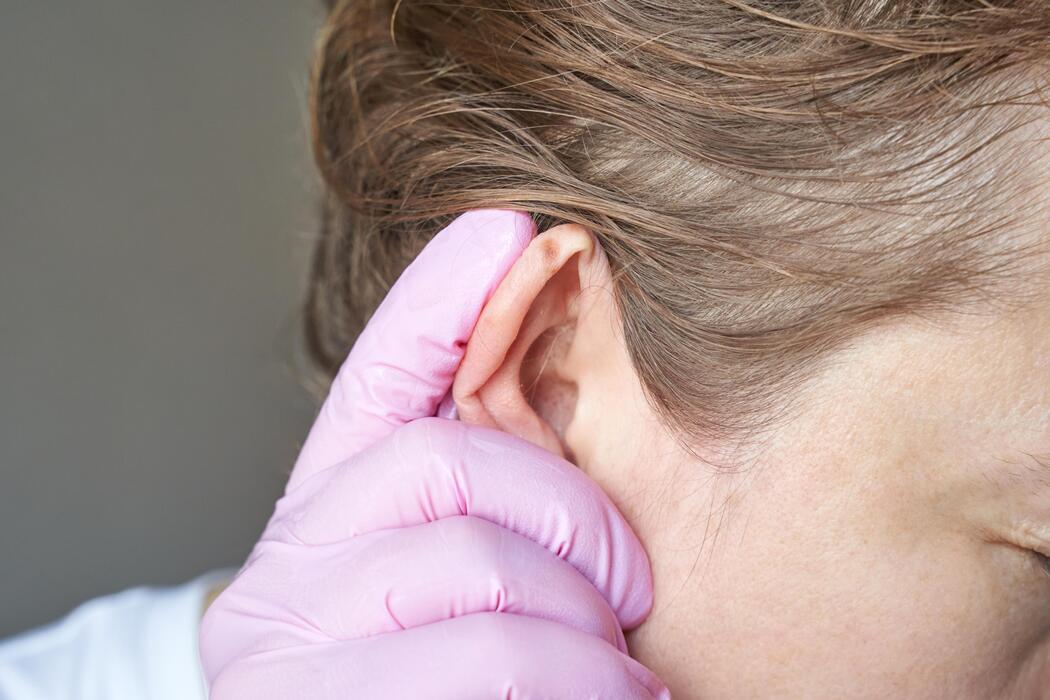
Getting your ears pierced should feel exciting, not stressful. But if you have sensitive skin, a history of irritation, or you just want to do it the safest way, where you go matters. A professional setting helps you avoid common problems like persistent redness, swelling, painful bumps, and piercings that never seem to heal correctly.
At DermCare of Westchester, cosmetic ear piercings are offered as part of their dermatology services, with a focus on a safe, clean process and guidance that makes healing smoother. If you are looking for cosmetic ear piercings in Westchester, this guide explains what to expect, how to care for your piercing, and when it’s time to check in with a dermatologist.
Why a Professional Ear Piercing Matters
Ear piercing is a minor procedure, but it still involves breaking the skin barrier. That means technique, cleanliness, and aftercare all directly impact your result.
A professional setting can help with:
Cleaner technique and better placement
Placement affects comfort, healing, and how earrings sit on the ear. A careful approach reduces the chance of uneven piercings or pressure points that can lead to irritation.
Better guidance for sensitive skin
If you react to jewelry, skincare, or metals easily, your piercing plan should match your skin type and history. Many “piercing problems” are not infections; they are irritations that keep getting triggered by the wrong metal or poor aftercare habits.
Faster help if something feels off
If swelling, pain, or bumps show up, knowing what’s normal versus what needs treatment saves time and protects your skin.
Who Is a Good Candidate for Ear Piercing?
Most people are good candidates for ear piercing, but it helps to think through your personal risk factors. You may want a dermatologist-led or medically guided approach if you have:
- Sensitive skin or frequent irritation from jewelry
- A history of keloids or thick scarring
- Eczema or dermatitis around the ears
- Frequent skin infections
- Diabetes or immune conditions that affect healing
- A child or teen is getting their first piercing, and you want the safest option
If you have a strong history of keloids, it’s especially important to discuss risk before piercing. Keloids are harder to manage once they form, so prevention and careful decision-making matter.
What to Expect During Your Ear Piercing Appointment
A professional ear piercing visit is usually quick, but the small details make a big difference.
Consultation and goals
You’ll talk through what you want, such as first piercings, a second hole, or symmetrical placement. If you have sensitive skin, you’ll also discuss which jewelry materials are most comfortable long-term.
Cleaning and prep
The ear is cleaned properly, and placement is marked so you can confirm it looks right before anything is done.
The piercing process
A safe piercing process should be quick and controlled. Most people describe it as a short pinch with mild soreness afterward.
Aftercare instructions
You should leave with clear guidance on cleaning, what to avoid, and what “normal healing” should look like.
Choosing the Right Jewelry for Healing
Jewelry choice is one of the biggest factors in preventing irritation. Even a perfect piercing can turn into a problem if the metal is not compatible with your skin.
Better options for sensitive skin
Many people do well with high-quality metals like implant-grade materials or other hypoallergenic options. If you have reacted to earrings in the past, tell your provider so you can choose wisely from day one.
Avoiding common triggers
Lower quality metals can trigger redness, itching, flaking, or swelling that people often mistake for infection.
If you’re unsure whether you are prone to irritation, a good rule is: prioritize quality, keep things simple, and do not change jewelry early.
Ear Piercing Aftercare That Actually Works
Aftercare does not need to be complicated, but it needs to be consistent.
The basics
- Clean gently as instructed, usually once or twice daily
- Wash your hands before touching the area
- Avoid twisting or spinning the earrings
- Avoid sleeping directly on fresh piercings if possible
- Keep hair products and fragrance away from the area during early healing
What to avoid
Some of the biggest mistakes happen when people overdo it. Too much cleaning, harsh products, and constant touching can keep the skin inflamed.
Avoid:
- Alcohol, hydrogen peroxide, or harsh scrubs unless specifically advised
- Removing earrings early
- Changing jewelry before the piercing is ready
- Swimming pools, hot tubs, or lake water early in healing
- Earbuds or headphones that press directly against the piercing
Healing timelines
Healing varies based on the person and the piercing location. Earlobes often heal more smoothly than cartilage piercings, but even lobe piercings can take time to fully settle. If you feel like it’s “taking too long,” it’s worth checking whether irritation is being triggered by friction, metal, or aftercare habits.
Irritation vs Infection: How to Tell the Difference
This is one of the most important parts of a piercing guide, because many people panic too early or wait too long.
Signs that are often normal or mild irritation
- Slight redness right after piercing
- Mild tenderness for a few days
- Small crusting during healing
- Occasional itching as the skin heals
Signs that may suggest infection or a problem that needs evaluation
- Worsening pain after the first few days
- Increasing swelling or redness that spreads
- Warmth, throbbing, or significant tenderness
- Thick yellow or green drainage
- Fever or feeling unwell
- The earring feels embedded, or the skin is closing over it
If you are unsure, do not remove the earring on your own. Removing jewelry too early can trap infection and make the situation worse. A quick evaluation can prevent a small issue from turning into a long-term scar or bump.
Piercing Bumps, Keloids, and Scarring
Piercing bumps
Small bumps can happen for many reasons, including irritation, friction, and aftercare issues. The good news is that many bumps improve once the trigger is removed and the skin is calmed.
Keloids and hypertrophic scars
A raised scar can form after skin trauma, including piercing. People with a personal or family history of thick scarring should be extra cautious. If you have had keloids before, talk through the risk before getting pierced.
Prevention tips
- Avoid unnecessary touching and friction
- Do not change jewelry early
- Choose quality jewelry from the beginning
- Avoid sleeping directly on the piercing
- Get help early if a bump starts to form
Pairing Piercing Aftercare With a Simple Skin Routine
Healing works best when the skin barrier is healthy. If you struggle with sensitivity, dryness, or irritation, a simple routine can help reduce flare-ups around the ears and face.
A helpful reference is DermCare’s guide on choosing the right skin care routine for your skin type, especially if you tend to react to products or are not sure what “gentle and barrier-friendly” looks like in practice.
FAQ
How long should I keep the starter earrings in?
Most people need to keep starter earrings in place through the early healing period. Removing them too soon increases the chance of irritation or the hole closing. Your dermatologist can give you a timeline based on how you’re healing.
Is it normal for my ears to feel sore?
Mild soreness is common at the start. Pain that worsens or becomes intense is not typical and should be evaluated.
Can I clean my piercing with alcohol or peroxide?
Harsh products can irritate healing skin and prolong inflammation. It’s best to follow the specific aftercare instructions you’re given, which usually focus on gentle cleansing.
What if my ear piercing is red and itchy?
This can be irritation from friction or a reaction to metal. If it continues, it’s worth getting checked rather than guessing, because the fix can be as simple as adjusting the trigger.
Can I get my ears pierced if I have eczema?
Often yes, but eczema-prone skin needs extra attention to reduce irritation and avoid flare-ups. A dermatologist-guided plan is a good idea if you frequently get dermatitis around the ears.
Ready for a Safe Piercing and Smooth Healing?
Ear piercings can be a simple upgrade, but the safest results come from the right technique, quality jewelry, and the right aftercare. If you want professional guidance, a clean process, and support if anything feels off during healing, DermCare of Westchester can help.
To schedule your appointment, visit the Contact Us page.