
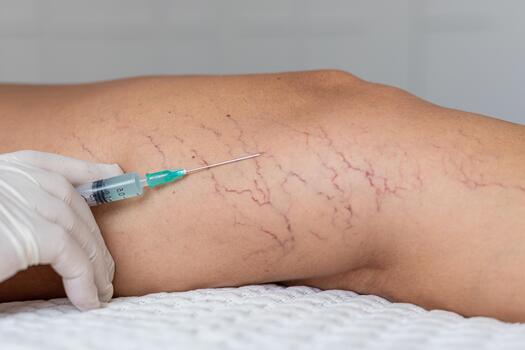
Spider veins are common, frustrating, and often more noticeable than people expect. They can show up as thin red, purple, or blue lines on the legs and become more visible over time. For many people, the goal is simple: reduce the appearance of these veins safely, with a plan that makes sense and realistic expectations about results.
Sclerotherapy is one of the most established in-office options for treating spider veins and certain small varicose veins. DermCare of Westchester offers sclerotherapy as part of its cosmetic dermatology services, and you can find it listed under its cosmetic dermatology services.
This guide explains what sclerotherapy is, who it’s for, what the appointment is like, what results look like, and how to take care of your legs afterward so you get the best outcome.
What Is Sclerotherapy?
Sclerotherapy is an in-office treatment where a medical solution is injected into targeted veins. The solution irritates the inside of the vein, causing it to close. Over time, the treated vein is reabsorbed by the body and becomes far less visible.
It is typically used for:
- Spider veins
- Small varicose veins
- Clusters of surface veins that cause cosmetic concerns
Sclerotherapy does not “remove” veins in the moment. The improvement happens gradually, which is why understanding the timeline is important.
Why Spider Veins Happen
Spider veins can develop for several reasons, and it’s often a combination of factors rather than one single cause.
Common contributors include:
- Genetics
- Pregnancy
- Hormonal changes
- Standing or sitting for long periods
- Age-related changes in vein structure
- Prior vein issues in the legs
- Sun exposure on certain areas (less common, but can contribute to visible vessels)
Spider veins are very common. Having them does not automatically mean you have a dangerous vein condition, but it is still smart to get evaluated if veins are rapidly worsening, painful, or accompanied by swelling.
Is Sclerotherapy Right for You?
Sclerotherapy is often a good choice if your main goal is cosmetic improvement of visible surface veins. Many people are good candidates, but a proper consultation helps determine:
The type of veins you have
Some veins respond best to sclerotherapy, while others may require different vein-care approaches. A dermatologist can assess size, location, and pattern.
Whether symptoms suggest something deeper
If you have significant leg swelling, pain, skin changes, or larger bulging veins, you may need additional evaluation before deciding on cosmetic treatment.
Skin sensitivity and bruising tendency
Some people bruise easily. That does not necessarily prevent treatment, but it changes how you plan timing and aftercare.
What Happens During a Sclerotherapy Appointment?
A typical sclerotherapy visit is straightforward.
Consultation and treatment plan
You’ll discuss your goals, the areas you want treated, and what kind of improvement is realistic. This is also where you should mention:
- Any medications or supplements you take
- Any history of blood clots or vein conditions
- Any past reactions to injections
- Whether you’re planning a trip soon
The procedure itself
Sclerotherapy involves small injections into the targeted veins. Most people describe it as mild pinching or stinging, depending on vein location and sensitivity. Some areas are more sensitive than others, but discomfort is usually brief.
Post-treatment instructions
You’ll leave with clear aftercare guidance. Aftercare matters because it helps support vein closure and reduces the chance of irritation or staining.
What Results Can You Expect?
Sclerotherapy often produces meaningful cosmetic improvement, but it’s important to set expectations the right way.
Improvement is gradual
Most people see veins fading over weeks, not hours. You may notice:
- Early darkening or bruising around treated veins
- Gradual fading over the following weeks
- Continued improvement as the body reabsorbs the closed veins
You may need multiple sessions
It is common to need more than one visit, especially when spider veins are widespread or appear in clusters. The number of sessions depends on:
- The number of veins being treated
- The size and depth of the veins
- How your body responds
- How closely are aftercare recommendations followed
Some new veins can appear later
Sclerotherapy treats existing visible veins, but it does not stop your body from developing new spider veins over time. Many people consider maintenance treatments as needed, especially if genetics, hormones, or lifestyle factors continue to contribute.
Sclerotherapy Aftercare: What to Do and What to Avoid
Aftercare is one of the biggest factors in how smooth your recovery is and how strong your results look.
What to do after treatment
- Walk after your appointment if advised
- Follow your provider’s instructions on compression if recommended
- Keep the treated area clean and avoid excessive heat exposure early on
- Keep follow-up appointments if a multi-session plan is recommended
What to avoid for the first few days
Exact instructions vary by provider and treatment plan, but commonly avoided items include:
- Hot baths or saunas
- High-heat workouts immediately after treatment
- Direct sun exposure on treated areas
- Aggressive massage over treated veins
If you have an upcoming event or vacation, timing matters. A consult helps you plan so bruising or temporary discoloration doesn’t catch you off guard.
How to Get the Best Cosmetic Outcome
To maximize improvement and reduce the chance of lingering marks, focus on the basics.
Choose a realistic timeline
Plan treatment when you have a buffer. If you want your legs to look their best for a wedding, vacation, or summer season, starting earlier is better.
Avoid sun exposure on treated areas
Sun exposure can worsen temporary discoloration in some people. If your legs will be exposed, consider scheduling when you can be consistent with sun protection.
Support vein health long-term
Even after successful treatment, daily habits can help reduce future spider vein development:
- Regular walking
- Avoiding long periods of standing still
- Elevating legs when possible
- Wearing compression during long travel if you’re prone to swelling
- Maintaining a healthy weight
How Sclerotherapy Fits Into Cosmetic Dermatology
One reason sclerotherapy works well as a cosmetic solution is that it aligns with the same goal as many other aesthetic treatments: helping you feel confident in your skin through safe, medically guided options.
If you want to understand how sclerotherapy fits alongside other cosmetic offerings, DermCare’s blog post on cosmetic dermatology services offered by DermCare is a useful overview.
Frequently Asked Questions About Sclerotherapy
How long does it take to see results?
Most people see gradual improvement over several weeks. Some veins fade sooner, while others take longer, depending on size and depth.
How many sessions will I need?
Many patients need more than one session, especially if there are multiple clusters of spider veins. Your dermatologist can estimate a range based on the amount of vein coverage and how your veins respond.
Is bruising normal?
Mild bruising or discoloration can happen after injections and usually improves as you heal. Planning a buffer before major events is a smart idea.
Can sclerotherapy treat large, bulging varicose veins?
Sclerotherapy is most commonly used for spider veins and smaller varicose veins. Larger symptomatic veins may need a different evaluation and treatment approach.
What should I avoid after sclerotherapy?
Avoiding heat exposure, aggressive activity immediately after treatment, and direct sun exposure on treated areas is commonly recommended. Your provider will give specific instructions tailored to your treatment plan.
Will spider veins come back?
Treated veins typically fade significantly, but new spider veins can develop over time. Maintenance planning depends on genetics, hormones, and lifestyle factors.
Planning Your Next Step in Westchester
Sclerotherapy can be a great option if you want a medically guided, proven approach to improving spider veins. The best first step is a consultation so you can confirm candidacy, understand the expected number of sessions, and plan timing around your schedule.If you’d like to book a visit with DermCare of Westchester, you can schedule through their contact us page.