
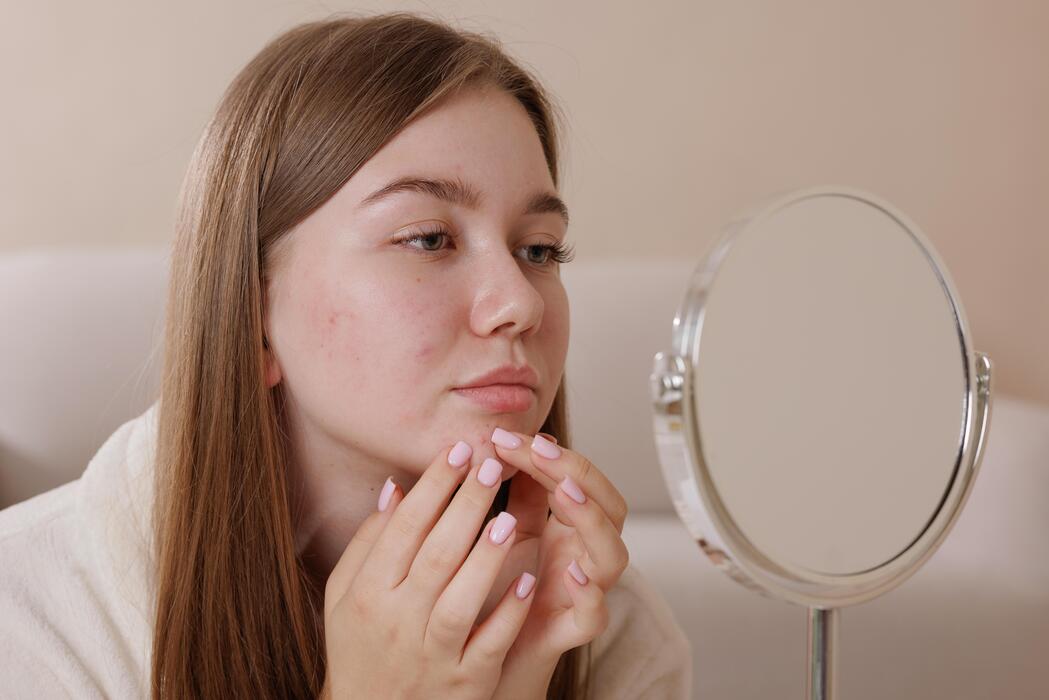
Quick Answer: “Sudden acne in your 30s can develop because of hormonal changes, stress, pore-clogging skincare products, medications, or genetic factors. Adult acne commonly affects the chin, jawline, and lower face, but breakouts can occur anywhere. Treatment depends on the underlying cause and may include topical medications, hormonal therapies, or dermatologist-guided care.”
You may have gone through your teenage years with relatively clear skin, only to develop stubborn breakouts in your 30s. Or perhaps the occasional pimple has turned into persistent acne that no longer responds to your usual skincare routine.
Adult acne is common, particularly among women. Although it can resemble teenage acne, the factors contributing to breakouts may differ. Understanding those factors is important because using stronger products or washing your face more frequently may not address the problem.
At DermCare of Westchester, we provide personalized medical dermatology care for acne and rosacea, including evaluation and treatment plans tailored to individual skin concerns.
Why Does Acne Suddenly Appear in Your 30s?
Adult acne develops when hair follicles become clogged with excess oil and dead skin cells. Inflammation and acne-associated bacteria can contribute to the development of pimples, blackheads, whiteheads, and deeper lesions.
Several factors can increase the likelihood of breakouts during adulthood.
Hormonal fluctuations
Hormones influence how much oil your skin produces. Changes in hormone levels or sensitivity to androgens can contribute to acne even when hormone levels are within the normal range.
Breakouts may become more noticeable around menstrual cycles, during pregnancy, after changes in hormonal contraception, or during perimenopause.
Stress and lifestyle changes
Stress does not directly create acne in everyone, but it can worsen existing breakouts. Stress-related hormonal responses may increase oil production and inflammation.
Changes in sleep, daily routines, and skincare habits can also affect how consistently acne is managed.
Skincare and cosmetic products
Some moisturizers, foundations, sunscreens, and hair products contain ingredients that may clog pores in acne-prone individuals.
A product that worked well for years may no longer suit your skin’s changing needs.
Medications and underlying conditions
Certain medications can contribute to acne-like eruptions or worsen existing acne.
In some patients, persistent adult acne may also be associated with an underlying hormonal condition, such as polycystic ovary syndrome (PCOS).
Not everyone with adult acne needs hormone testing. A dermatologist can help determine whether other symptoms suggest further evaluation.
Hormonal Acne in Your 30s
Hormonal acne is often associated with breakouts around the chin, jawline, and lower cheeks. However, location alone cannot confirm that hormones are responsible.
Common patterns include:
- Breakouts that worsen before menstruation
- Deep, tender pimples around the chin or jawline
- Repeated blemishes in the same locations
- Acne that persists despite consistent skincare
- Breakouts associated with hormonal transitions
Some people experience mostly small inflammatory pimples, while others develop deeper nodules that can increase the risk of scarring.
When should hormonal acne be investigated?
A dermatologist may recommend further evaluation when acne appears alongside symptoms such as irregular menstrual periods, increased facial hair growth, or noticeable scalp hair thinning.
These symptoms do not automatically indicate a hormonal disorder, but they provide useful information when deciding how to manage persistent breakouts.
Adult Acne vs. Teenage Acne
Adult acne and teenage acne involve similar biological processes, but their patterns and treatment considerations can differ.
| Feature | Teenage Acne | Adult Acne |
| Common age | Adolescence | 20s, 30s, 40s, and beyond |
| Typical locations | Forehead, nose, cheeks, chest, back | Chin, jawline, cheeks, or other areas |
| Hormonal influences | Puberty-related changes | Menstrual cycles, contraception, pregnancy, other hormonal changes |
| Common concerns | Oiliness, blackheads, inflammatory pimples | Persistent breakouts, tenderness, discoloration, sensitivity |
| Treatment considerations | Acne severity and skin tolerance | Acne severity, hormonal factors, medications, pregnancy plans, skin tolerance |
These are general patterns, not strict rules. Adults can develop blackheads, teenagers can experience hormonal jawline acne, and both groups can experience severe inflammatory breakouts.
Why Your Old Acne Products May Stop Working
One reason adult acne becomes frustrating is that products previously used successfully may no longer provide adequate control.
Your skin’s oil production, sensitivity, and tolerance can change over time. Using multiple exfoliants or harsh cleansers may also damage the skin barrier without addressing the factors causing acne.
Common mistakes include:
- Washing the face too frequently
- Using several acne treatments simultaneously
- Applying high-strength products without guidance
- Skipping moisturizer because the skin feels oily
- Frequently switching products
- Picking or squeezing deeper pimples
Acne-prone skin still needs hydration. A gentle, non-comedogenic moisturizer can help maintain the skin barrier while active treatments address clogged pores and inflammation.
How Is Adult Acne Treated?
The most appropriate adult acne treatment depends on the severity of breakouts, skin sensitivity, medical history, and whether hormonal factors are contributing.
Dermatologists may recommend topical medications, oral therapies, or combinations of treatments.
Topical retinoids
Retinoids help prevent clogged pores and reduce the formation of new acne lesions.
They are commonly used for ongoing acne control, although irritation can occur when treatment is introduced too aggressively.
Certain retinoids should not be used during pregnancy, so pregnancy plans should be discussed before starting treatment.
Benzoyl peroxide and other topical treatments
Benzoyl peroxide helps reduce acne-associated bacteria and inflammatory lesions.
Other options may include azelaic acid, salicylic acid, prescription topical antibiotics, or medications that target androgen activity in the skin.
Treatment selection depends on acne type and tolerability. Topical antibiotics generally should not be used alone because of concerns about antibiotic resistance.
Oral medications
Moderate or severe inflammatory acne may require oral treatment.
A dermatologist may consider antibiotics for appropriate patients, generally alongside topical therapy and for a limited duration.
Severe, scarring, or treatment-resistant acne may require other medications, including isotretinoin, under appropriate medical supervision.
Hormonal treatment options
For some women with persistent acne, hormonal medications such as certain combined oral contraceptives or spironolactone may be considered.
These treatments are not appropriate for everyone. Medical history, other medications, pregnancy plans, and potential side effects must be reviewed before prescribing.
Which Acne Treatment Makes the Most Sense?
There is no universal treatment that works for every adult breakout pattern.
| Treatment Approach | Common Use | Important Consideration |
| Benzoyl peroxide | Inflammatory pimples | May cause dryness or irritation |
| Topical retinoids | Clogged pores and ongoing acne control | Require gradual introduction and pregnancy-related precautions |
| Azelaic acid | Acne and post-acne discoloration | Results develop with consistent use |
| Prescription oral antibiotics | Selected moderate or severe inflammatory acne | Usually limited-duration treatment |
| Hormonal therapies | Selected patients with persistent adult acne | Medical suitability must be assessed |
| Isotretinoin | Severe, scarring, or resistant acne | Requires specialist supervision and strict pregnancy precautions |
A dermatologist can determine whether one treatment is sufficient or whether a combination is more appropriate.
Building a Skincare Routine for Adult Acne
A consistent routine can support medical treatment without overwhelming sensitive skin.
Morning routine
- Cleanse with a gentle face wash
- Apply prescribed acne treatment as directed
- Use a non-comedogenic moisturizer
- Finish with broad-spectrum SPF 30 or higher sunscreen
Evening routine
- Remove makeup and sunscreen gently
- Wash with a mild cleanser
- Apply nighttime acne treatment as prescribed
- Moisturize to reduce dryness and irritation
Avoid introducing several active ingredients simultaneously. A simpler routine makes it easier to determine which products are helping and which may be causing irritation.
For additional guidance, explore our article on choosing the right skin care routine for your skin type.
Can Adult Acne Leave Permanent Scars?
Yes. Adult acne can cause lasting scarring, particularly when breakouts are deep, inflamed, or repeatedly picked.
Two common consequences are:
- Post-inflammatory discoloration: Flat brown, red, or purple marks that remain after a breakout heals.
- True acne scars: Depressed or raised areas caused by changes in the skin’s structure.
Discoloration may fade over time, while structural scars often require different treatment approaches.
Preventing new inflammatory breakouts is an important first step toward reducing future scarring.
When Should You See a Dermatologist for Adult Acne?
Schedule a dermatology evaluation when acne persists despite consistent over-the-counter treatment, causes significant discomfort, or begins leaving scars or dark marks.
Professional evaluation is particularly helpful when:
- Breakouts are deep or painful
- Acne repeatedly returns around the jawline
- Dark marks or scars are developing
- Over-the-counter products are not helping
- Skin becomes irritated by multiple treatments
- Acne appears alongside other possible hormonal symptoms
- Breakouts affect confidence or daily activities
You do not need to wait until acne becomes severe to seek professional guidance.
A dermatologist can also check whether bumps that resemble acne might be related to another condition, such as rosacea, folliculitis, or perioral dermatitis.
How Long Does Adult Acne Take to Improve?
Acne treatment requires consistency because existing lesions need time to heal, and new breakouts must be prevented.
Some treatments begin producing improvement within several weeks, but a meaningful assessment often requires approximately six to eight weeks or longer. Certain treatment plans take several months to achieve their full benefit.
Response times vary according to the medication, acne severity, and individual skin characteristics.
Changing treatments too frequently can make it difficult to tell whether a particular approach is working.
Common Questions About Acne in Your 30s
Is it normal to suddenly get acne at 30?
Yes. Acne can begin for the first time during adulthood or return after years of clear skin. Hormonal changes, stress, medications, skincare products, and genetic factors may contribute.
Why am I getting acne on my chin and jawline?
Chin and jawline acne is commonly associated with hormonal influences, but its location alone does not establish the cause. Persistent or painful breakouts may benefit from dermatology evaluation.
Can stress cause acne in your 30s?
Stress can worsen acne by influencing hormonal and inflammatory responses. It is usually one contributing factor rather than the only explanation for persistent breakouts.
Does adult acne mean I have a hormonal imbalance?
Not necessarily. Hormones influence acne even when laboratory levels are normal. Additional symptoms, such as irregular periods or increased facial hair, may indicate a need for further evaluation.
Should I use stronger acne products as I get older?
Not automatically. Stronger products can increase irritation without improving results. Treatment should match acne severity, skin sensitivity, and the underlying factors contributing to breakouts.
Can adult acne go away on its own?
Some breakouts improve as triggers change, but persistent adult acne may continue for years. Effective treatment can help control breakouts and reduce the likelihood of lasting marks or scars.
Is acne in your 30s treated differently from teenage acne?
Many treatments overlap, but adult treatment plans may require additional consideration of hormonal factors, skin sensitivity, existing medications, pregnancy plans, and long-term maintenance.
Clearer Skin in Your 30s Starts With Understanding the Cause
Developing acne in your 30s does not mean your skin is unhealthy or that you have been using the wrong products. Adult acne is influenced by several factors, and identifying the most likely contributors can make treatment more effective.
Persistent breakouts deserve a personalized approach that addresses inflammation, clogged pores, hormonal influences when relevant, and long-term skin health.
At DermCare of Westchester, we help patients manage persistent acne through individualized medical dermatology care. For adult acne treatment in Scarsdale and the surrounding Westchester area, contact DermCare of Westchester to schedule an appointment and discuss a treatment plan suited to your skin.