
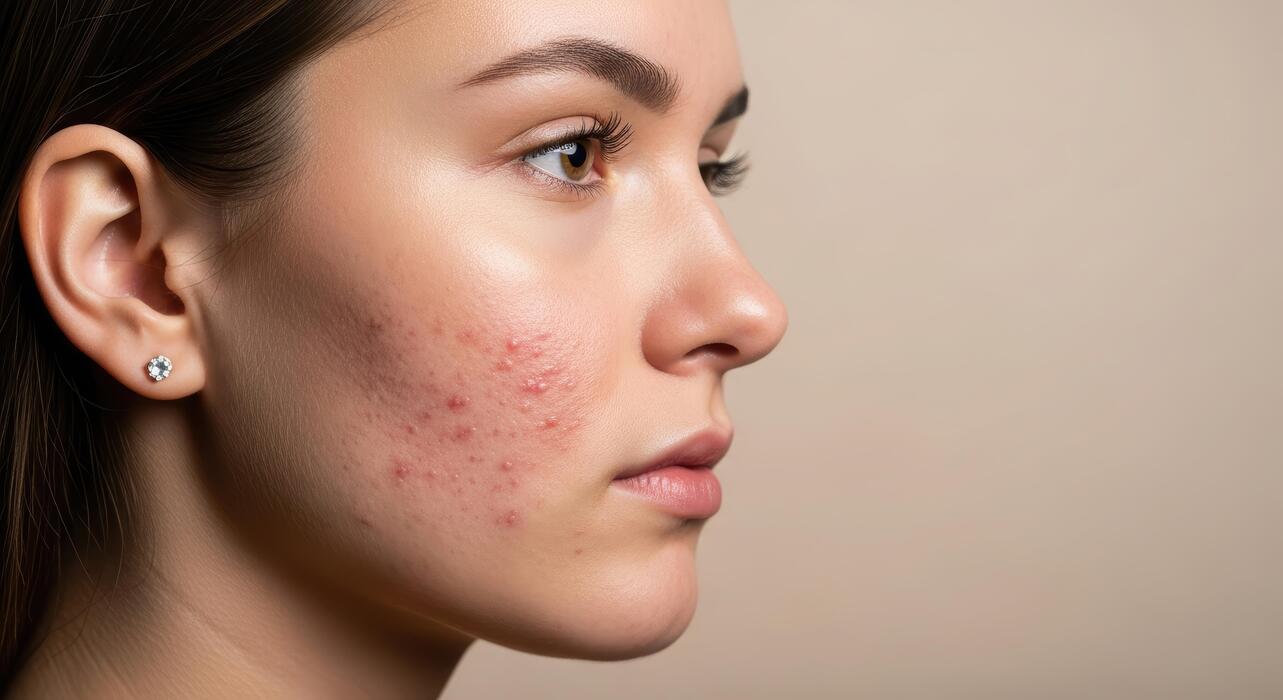
Quick Answer: “The best treatment for acne scars depends on the type of scar, skin tone, active acne, and how serious the damage is. Many patients benefit from a customized plan that may include microneedling, chemical peels, laser treatments, and dermatologist-guided skincare to improve texture, discoloration, and overall smoothness.”
Acne scars can be frustrating because they often remain long after breakouts have cleared. Some scars look like small dents. Others leave uneven texture, dark marks, redness, or rough patches that makeup does not fully cover. The best acne scar treatment is not one universal procedure. It depends on what kind of scars you have and how your skin responds to treatment.
At DermCare of Westchester, acne scar improvement can be approached through customized cosmetic dermatology options such as microneedling, chemical peels, laser skin rejuvenation, and skincare support. These treatments are part of DermCare’s broader cosmetic dermatology services, which focus on improving skin texture, tone, pigmentation, and confidence with natural-looking results.
Why Do Acne Scars Form?
Acne scars form when inflammation from a breakout damages the skin and the tissue underneath it. The deeper and more inflamed the acne lesion, the higher the chance of lasting texture changes.
Scars are more common after:
- Cystic acne
- Nodular acne
- Picking or squeezing pimples
- Delayed acne treatment
- Repeated inflammation in the same area
- Skin that is prone to post-inflammatory discoloration
Not every mark after acne is a true scar. Some spots are temporary discoloration, while others are actual changes in skin texture. This difference matters because each one responds to different treatments.
Are Acne Marks the Same as Acne Scars?
No. Acne marks and acne scars are not the same.
Acne marks are usually flat discoloration left behind after a breakout. They may look brown, red, purple, or pink depending on your skin tone and the type of inflammation. These marks can fade over time, although they may take months.
Acne scars change the texture of the skin. They may look like dents, pits, uneven areas, raised spots, or rough patches. True scars usually need in-office treatments to improve.
| Concern | What It Looks Like | Common Cause | Best Treatment Direction |
| Dark marks | Flat brown or gray spots | Post-inflammatory pigmentation | Skincare, peels, pigment control |
| Red marks | Flat pink or red spots | Post-inflammatory redness | Time, skincare, laser options |
| Ice pick scars | Deep narrow pits | Severe inflammation | Targeted resurfacing plan |
| Boxcar scars | Broad shallow or deep depressions | Tissue loss after acne | Microneedling, lasers, peels |
| Rolling scars | Wavy uneven texture | Deeper collagen damage | Collagen-stimulating treatments |
| Raised scars | Firm raised spots | Excess scar tissue | Dermatologist-guided treatment |
What Types of Acne Scars Can Be Treated?
Most acne scars can improve, but the goal is usually improvement, not perfect erasing. A dermatologist can help set realistic expectations based on your scar type.
Ice pick scars
Ice pick scars are narrow and deep. They look like tiny holes or punctures in the skin. Because they go deeper, they can be harder to treat than shallow texture changes.
Boxcar scars
Boxcar scars are wider depressions with more defined edges. They may be shallow or deep and often appear on the cheeks or temples.
Rolling scars
Rolling scars create a wavy or uneven skin surface. They are often caused by deeper tissue changes under the skin.
Post-inflammatory marks
These are not true scars, but they are still a common concern after acne. They may appear as dark spots, red spots, or uneven tone. Chemical peels, skincare, and pigment-focused treatments may help.
What Is the Best Acne Scar Treatment?
The best acne scar treatment is the one matched to your scar type, skin tone, and goals. Many patients need a combination plan because acne scars often include both texture and discoloration.
Microneedling for acne scars
Microneedling uses tiny controlled micro-injuries to trigger the skin’s natural healing response. This helps stimulate collagen, which can gradually improve texture and soften the appearance of depressed scars.
Microneedling may help with:
- Mild to moderate acne scars
- Uneven texture
- Enlarged-looking pores
- Shallow depressions
- Overall skin smoothness
Results build over time because collagen remodeling is gradual. Most patients need a series of treatments rather than one visit.
Chemical peels for acne marks and shallow texture
Chemical peels exfoliate the surface of the skin and help improve tone, dullness, and certain types of discoloration. They can also help with mild texture changes and post-acne marks.
Chemical peels may help with:
- Brown spots after acne
- Uneven tone
- Dull skin
- Mild acne-related texture
- Surface roughness
The right peel strength depends on skin type, sensitivity, acne history, and how much downtime you can manage.
Laser treatments for texture and discoloration
Laser skin rejuvenation can help improve uneven texture, pigmentation, redness, and collagen production. Different laser approaches may be used depending on the concern being treated.
Laser treatments may help with:
- Acne scar texture
- Red or brown post-acne marks
- Uneven tone
- Collagen loss
- Overall skin clarity
Laser treatment should be customized carefully, especially for patients with deeper skin tones or a history of pigmentation.
Skincare support for long-term results
A strong home routine cannot fully remove deep acne scars, but it can support treatment results and reduce new breakouts. Skincare can also help fade discoloration and protect the skin while it heals.
A good routine may include:
- Gentle cleanser
- Daily sunscreen
- Retinoid or retinol when appropriate
- Pigment-supporting ingredients
- Barrier-repair moisturizer
- Acne control products, when needed
The biggest mistake is using too many strong products at once. Irritated skin does not heal well, and inflammation can make discoloration worse.
Should Active Acne Be Treated Before Acne Scars?
Yes, active acne should usually be controlled before focusing heavily on scar revision. New breakouts can create new scars, so treating scars while acne is still flaring may lead to frustration.
A dermatologist may recommend starting with acne control first, then adding scar treatments once the skin is more stable.
This approach can help:
- Reduce new scars
- Calm inflammation
- Improve treatment tolerance
- Make results more predictable
- Protect the skin barrier
DermCare’s article on choosing the right skin care routine for your skin type can be helpful if your routine feels too harsh, too complicated, or not matched to your skin.
How Many Treatments Do Acne Scars Usually Need?
Most acne scar treatments require a series. The exact number depends on the type of scars, severity, treatment method, skin type, and how your skin heals.
Mild discoloration may improve with skincare and a few professional treatments. Deeper texture changes often take longer because collagen remodeling happens gradually.
A realistic plan may involve:
- Several microneedling sessions
- A series of chemical peels
- Laser treatments spaced apart
- Skincare changes between visits
- Maintenance treatments when needed
Progress often appears slowly, but steady improvement can make the skin look smoother, brighter, and more even over time.
How Do You Choose Between Microneedling, Peels, and Lasers?
The best option depends on what bothers you most.
| Treatment | Best For | Downtime Level | Works Best When |
| Microneedling | Texture, shallow scars, collagen support | Mild to moderate | Scars are depressed or uneven |
| Chemical peels | Dark marks, dullness, mild texture | Mild to moderate | Pigmentation is a major concern |
| Laser treatments | Texture, redness, pigmentation, collagen | Varies | Multiple concerns need targeted treatment |
| Skincare plan | Maintenance, acne control, discoloration support | Low | Used consistently with in-office care |
Many patients do best with a combination. For example, microneedling may address texture while chemical peels help brighten post-acne discoloration. Laser treatments may be considered when redness, pigmentation, and texture need a more targeted approach.
Is Acne Scar Treatment Safe for All Skin Tones?
Acne scar treatment can be safe for many skin tones when it is customized properly. The key is choosing the right treatment intensity, timing, and aftercare.
Patients with deeper skin tones may have a higher risk of post-inflammatory hyperpigmentation after aggressive treatments. That does not mean treatment is off the table. It means the plan should be careful and dermatologist-guided.
Safety planning may include:
- Starting with a conservative approach
- Avoiding unnecessary irritation
- Using strict sun protection
- Preparing the skin before certain treatments
- Spacing treatments appropriately
- Choosing options that match your skin type
What Should You Avoid Before Acne Scar Treatment?
Before acne scar treatment, avoid anything that makes the skin inflamed or sensitive unless your dermatologist tells you otherwise.
Common things to avoid may include:
- Picking at breakouts
- Starting strong new skincare right before treatment
- Over-exfoliating
- Tanning or heavy sun exposure
- Waxing the treatment area close to your appointment
- Using harsh scrubs
- Ignoring active acne flares
Your dermatologist will give specific instructions based on the treatment planned.
What Happens After Acne Scar Treatment?
Aftercare depends on the treatment, but the goals are usually the same: calm the skin, protect the barrier, prevent pigmentation, and support healing.
Common aftercare basics include:
- Use gentle skincare
- Avoid picking or peeling skin
- Wear sunscreen daily
- Avoid harsh activities until cleared
- Keep follow-up appointments
- Follow product instructions carefully
Temporary redness, dryness, peeling, or sensitivity may happen depending on the treatment. Your provider will explain what is expected and what is not.
Questions Patients Ask About Acne Scar Treatment
Can acne scars go away completely?
Acne scars usually improve rather than disappear completely. The amount of improvement depends on scar type, severity, treatment plan, and how your skin heals.
What treatment works fastest for acne scars?
There is no single fastest treatment for every scar type. Some discoloration may improve faster than deeper texture scars. True scar remodeling takes time because collagen changes gradually.
Is microneedling good for acne scars?
Microneedling can be a good option for certain depressed acne scars and uneven texture. It is often done as a series to build collagen over time.
Are chemical peels good for acne scars?
Chemical peels can help with post-acne marks, dullness, uneven tone, and mild texture. Deeper scars may need additional treatments such as microneedling or lasers.
Should I treat acne scars while I still have breakouts?
Active acne should usually be controlled first. Treating scars while new breakouts are still forming can lead to new marks and scars.
How long does it take to see results?
Some brightness or tone improvement may appear sooner, but scar texture often improves over several months as collagen rebuilds.
Can skincare fix acne scars?
Skincare can help fade discoloration, prevent new breakouts, and support treatment results. Deeper dents or texture changes usually need in-office treatments.
Smoother Skin Starts With the Right Acne Scar Plan
Acne scar treatment works best when the plan matches the scar. Dark marks, red marks, shallow dents, deep pits, and uneven texture all respond differently, which is why a personalized dermatology evaluation matters.
DermCare of Westchester offers cosmetic dermatology options that can help improve texture, tone, scars, and post-acne discoloration with a plan built around your skin. To discuss acne scar treatment in Westchester, schedule a visit through the contact us page.