
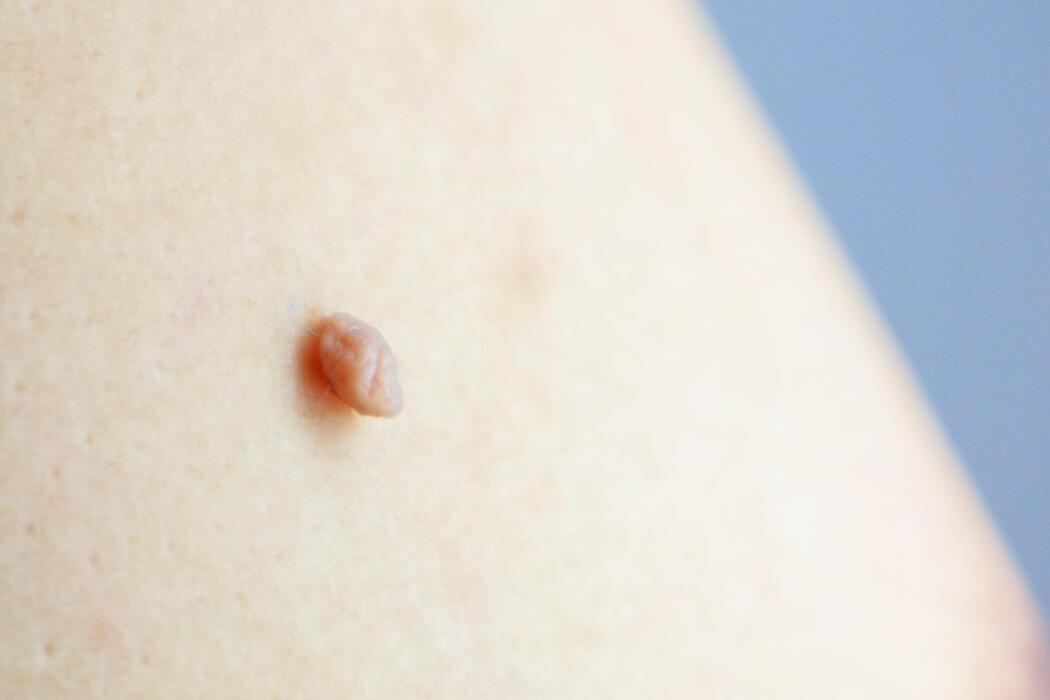
Quick Answer: “The safest way to remove skin tags is to have them evaluated and treated by a dermatologist. Professional removal lowers the risk of bleeding, infection, scarring, and misdiagnosis. Skin tags are usually benign, but a dermatologist can confirm what the growth is before removing it safely.”
Skin tags are common, but they can be annoying. They may catch on clothing, rub under jewelry, become irritated after shaving, or simply bother you because of how they look. Most skin tags are harmless, but that does not mean every small growth should be removed at home.
A dermatologist can first confirm whether the growth is truly a skin tag, then recommend the safest removal method based on its size, location, and appearance. DermCare of Westchester provides evaluation and removal of benign skin growths such as warts, skin tags, and other non-cancerous lesions through its medical dermatology services.
What Are Skin Tags?
Skin tags are small, soft, non-cancerous growths that usually hang from the skin by a tiny stalk. They often appear in areas where skin rubs against skin or clothing.
Common locations include:
- Neck
- Underarms
- Eyelids
- Groin folds
- Under the breasts
- Around the waistline
Skin tags may be skin-colored, slightly darker, or sometimes pink if irritated. They are usually painless, but they can become tender if twisted, scratched, or repeatedly rubbed.
Why Do Skin Tags Happen?
Skin tags often develop in areas of friction. They are more common with age and may also be more likely in people with a family tendency to get them.
Common contributing factors include:
- Skin rubbing against skin
- Clothing or jewelry friction
- Aging-related skin changes
- Weight changes
- Family history
- Areas that stay warm or moist
Skin tags are not usually dangerous, but they can become bothersome when they appear in visible or high-friction areas.
Are Skin Tags the Same as Warts or Moles?
No. Skin tags, warts, and moles are different, and knowing the difference matters before removal.
| Growth Type | What It Often Looks Like | Common Concern | Why Evaluation Matters |
| Skin tag | Soft, small, hanging growth | Irritation or cosmetic concern | Usually benign, but should be confirmed before removal |
| Wart | Rough, firm, raised bump | Can spread or recur | The treatment approach is different from that of skin tags |
| Mole | Flat or raised pigmented spot | Changes in size, shape, or color | Some moles need medical evaluation before removal |
| Other lesion | Varies widely | Unknown cause | Should be checked if changing, bleeding, painful, or unusual |
This is the biggest reason not to guess. A spot that looks like a skin tag to you may need a different treatment plan.
Is It Safe to Remove Skin Tags at Home?
Home skin tag removal is not the safest option. Cutting, tying off, burning, or using harsh over-the-counter products can lead to problems, especially when the growth is on the eyelid, face, neck, groin, or another sensitive area.
Potential risks include:
- Bleeding
- Infection
- Scarring
- Skin discoloration
- Incomplete removal
- Pain or irritation
- Treating the wrong type of growth
The bigger risk is misdiagnosis. If a growth is not actually a skin tag, home removal can delay proper care.
When Should a Dermatologist Check a Skin Growth?
You should have a dermatologist evaluate a skin growth if it is new, changing, painful, bleeding, crusting, unusually dark, growing quickly, or different from your other spots.
A skin tag is usually stable and soft. A growth that changes over time deserves a closer look.
You should also book an evaluation if the growth is:
- On the eyelid or near the eye
- In a sensitive area
- Frequently irritated by clothing or shaving
- Painful or inflamed
- Bleeding without a clear injury
- Growing quickly
- Irregular in color or shape
Even if removal is mostly cosmetic, the first step should be confirming what it is.
What Happens During a Dermatology Visit for Skin Tags?
A skin tag visit is usually straightforward. The dermatologist examines the growth, checks whether it looks benign, asks about symptoms, and discusses removal options.
The visit may include:
- A visual skin exam
- Questions about how long the growth has been there
- Review of symptoms like bleeding, pain, itching, or growth
- Discussion of removal method and aftercare
- Recommendation for biopsy if the spot looks unusual
Most typical skin tags can be treated simply. If something looks atypical, your dermatologist may recommend a different approach.
How Do Dermatologists Remove Skin Tags?
The best removal method depends on size, location, and whether the growth is irritated.
Snip removal
A dermatologist may use sterile instruments to remove a small skin tag at the base. This can be quick and precise, especially for tags on the neck, underarms, or body folds.
Cryotherapy
Cryotherapy uses cold treatment to freeze certain benign growths. It may be used depending on the type and location of the lesion.
Electrosurgery
Some growths may be treated with heat-based methods to remove or seal tissue. This can be helpful in certain cases where bleeding control or precision matters.
Shave or minor procedure removal
For larger or thicker growths, a dermatologist may use a small in-office procedure to remove the lesion safely and cleanly.
The goal is to remove the skin tag with minimal discomfort, reduce irritation, and support the best cosmetic outcome possible.
Does Skin Tag Removal Hurt?
Most patients tolerate skin tag removal well. Discomfort depends on the size and location of the tag, but dermatologists can use techniques to keep the process comfortable.
You may feel pressure, a quick pinch, or mild tenderness afterward. Sensitive areas may need extra care, but the appointment is usually brief.
What Is Recovery Like After Skin Tag Removal?
Recovery is usually simple. The treated area may be slightly pink, tender, or scabbed for a short time. Your dermatologist will give instructions based on the removal method used.
Typical aftercare may include:
- Keeping the area clean
- Avoid picking or scratching
- Using the ointment is recommended
- Protecting the area from friction
- Avoiding harsh skincare products on the treated spot
- Watching for signs of infection
Most small spots heal quickly, but larger or high-friction areas may take longer to settle.
Can Skin Tags Come Back After Removal?
A removed skin tag usually does not grow back in the same spot if it has been fully treated. However, new skin tags can form in other areas over time, especially if you are prone to them.
This is common and does not mean the removal failed. It simply means your skin may continue forming new benign growths in friction-prone areas.
How Can You Prevent Skin Tags From Getting Irritated?
You may not be able to prevent every skin tag, but you can reduce irritation and friction.
Helpful steps include:
- Avoiding tight collars or rough fabrics when tags are on the neck
- Being careful when shaving around raised spots
- Choosing jewelry that does not rub the area
- Keeping skin folds dry and comfortable
- Avoiding scratching or twisting the growth
- Seeing a dermatologist before a tag repeatedly becomes inflamed
Good skin care also helps prevent irritation around sensitive areas. DermCare’s article on choosing the right skin care routine for your skin type can be helpful if your skin is easily irritated or reactive.
What Should You Avoid Before Your Appointment?
Try not to treat the spot yourself before seeing a dermatologist. At-home attempts can inflame the area, make diagnosis harder, or increase the chance of scarring.
Avoid:
- Cutting the growth
- Tying dental floss or a string around it
- Applying wart remover unless directed
- Using acidic “skin tag removal” products
- Scratching or picking at it
- Covering it with harsh chemicals
A clean, untreated spot is easier to evaluate and treat properly.
Common Questions About Skin Tag Removal
Can I just cut off a skin tag myself?
No. Cutting off a skin tag at home can cause bleeding, infection, pain, and scarring. It also skips the important step of confirming that the growth is actually a skin tag.
Do skin tags mean something is wrong?
Usually, no. Skin tags are common benign growths. However, new or changing growths should be checked so your dermatologist can confirm the diagnosis.
Is skin tag removal covered by insurance?
Coverage varies. If a skin tag is removed for cosmetic reasons, it may not be covered. If it is painful, bleeding, irritated, or medically concerning, coverage may depend on your plan and documentation.
Can skin tags turn into cancer?
Typical skin tags are benign. The concern is not that a skin tag turns into cancer, but that another type of growth may be mistaken for a skin tag. That is why evaluation matters.
How long does the appointment take?
Many skin tag evaluations and removals are quick, but timing depends on the number of growths, location, and whether any spot needs additional evaluation.
Will skin tag removal leave a scar?
Any skin procedure can leave a mark, but dermatologist-performed removal is designed to minimize unnecessary trauma and support a cleaner cosmetic result.
Safer Skin Tag Removal Starts With the Right Evaluation
Skin tags may be common, but removing them safely still matters. A dermatologist can confirm the growth is benign, choose the right removal method, and help reduce risks like bleeding, infection, scarring, or treating the wrong lesion.
If you have a skin tag or benign growth that bothers you, catches on clothing, or has started changing, DermCare of Westchester can help. To schedule an appointment, visit the contact us page.