
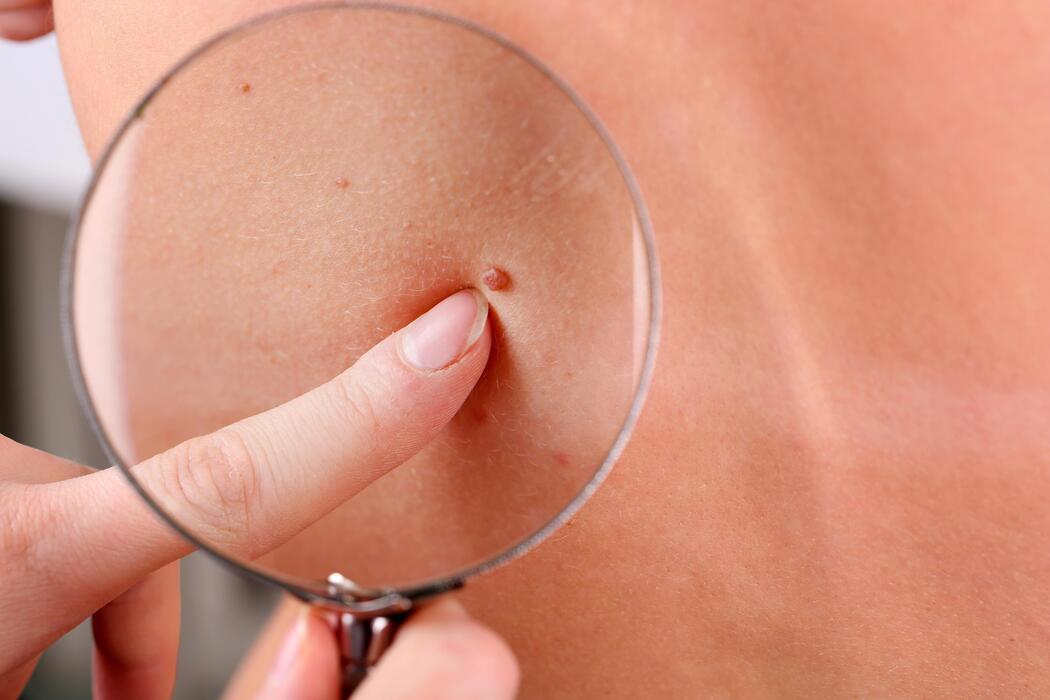
Quick Answer: “A mole should be checked when it is new, changing, different from your other spots, or causing symptoms such as itching, pain, crusting, or bleeding. Removal may be considered for health or cosmetic reasons, but a dermatologist should examine the mole first and recommend the most appropriate next step.”
Most adults have moles, and the majority remain stable and harmless. The challenge is knowing when a familiar spot deserves professional attention and when removal makes sense.
Changes in size, shape, color, texture, or symptoms can be reasons to schedule an examination. A mole may also be removed because it repeatedly catches on clothing, becomes irritated during shaving, or causes a cosmetic concern.
DermCare of Westchester provides professional evaluation and, when necessary, removal of moles, lesions, and other skin irregularities through its medical dermatology services. The decision begins with identifying what the spot is and whether it has any concerning features.
What Is a Mole?
A mole is a spot or growth formed by a collection of pigment-producing cells. Moles can be present at birth or develop later, particularly during childhood and early adulthood.
They vary naturally in appearance. A mole may be:
- Flat or raised
- Round or oval
- Smooth or slightly textured
- Tan, brown, black, pink, or skin-colored
- Present alone or among several similar spots
A stable mole that has looked the same for years is generally less concerning than a spot that is new or changing. However, appearance alone cannot provide a complete diagnosis.
Which Mole Changes Should You Take Seriously?
A new or changing mole should be examined by a dermatologist, especially when the change continues or the spot looks different from the others on your skin.
Dermatologists commonly use the ABCDE pattern to help identify features that deserve attention.
A Is for Asymmetry
One-half of the mole does not match the other half. A typical mole is often more symmetrical, although not every harmless mole is perfectly even.
B Is for Border
The edges appear irregular, notched, blurred, scalloped, or poorly defined instead of smooth and consistent.
C Is for Color
The mole contains several colors or develops new areas of brown, black, red, white, pink, or blue. A noticeable color change should also be evaluated.
D Is for Diameter
A mole larger than approximately 6 millimeters, about the width of a pencil eraser, may deserve closer attention. Size is only one factor because spots can also be smaller.
E Is for Evolving
The mole changes in size, shape, color, elevation, texture, or symptoms. Evolution is one of the most useful signs because it focuses on what is happening over time.
The ABCDEs are a screening guide, not a way to diagnose a mole at home. A spot can deserve evaluation even when it does not match every letter.
The “Different From the Rest” Warning Sign
Another useful clue is whether one mole looks noticeably different from your other moles. This is sometimes described as the “ugly duckling” pattern.
For example, most of your moles may be small, light brown, and round, while one is darker, larger, or shaped differently. A unique-looking spot does not automatically mean something is wrong, but it is a good reason to have it checked.
Pay attention to:
- A new spot that stands out
- One mole that is much darker than the rest
- A growth with a different shape or texture
- A spot that changes while nearby moles remain stable
- A mole that begins behaving differently
Knowing your normal pattern makes unusual changes easier to notice.
Symptoms Beyond Appearance
Moles should not be assessed only by color and shape. New symptoms can also be important, particularly when they continue or happen without a clear injury.
Schedule a dermatology visit for a mole that:
- Itches persistently
- Feels painful or tender
- Bleeds without being scratched
- Crusts or oozes
- Becomes scaly
- Develops a new bump or raised area
- Does not heal after irritation
- Grows noticeably over time
A raised mole may bleed after catching on a razor, necklace, or piece of clothing. Even when friction appears to be the cause, repeated bleeding or irritation is worth discussing with a dermatologist.
How Do You Check Your Moles at Home?
Regular self-checks help you become familiar with your skin. The goal is not to diagnose yourself. It is important to notice a new or changing spot early enough to arrange a professional examination.
Choose a well-lit room and use a full-length mirror along with a handheld mirror when needed.
Check:
- Face, ears, scalp, and neck
- Chest, abdomen, back, and sides
- Arms, underarms, hands, and fingernails
- Hips, legs, feet, soles, and toenails
- Areas between the fingers and toes
- Places usually covered by clothing
Ask someone you trust to help examine difficult-to-see areas such as the scalp and back.
Taking clear, dated photos can also make changes easier to track. Try to use similar lighting and distance each time so the comparison is meaningful.
What Happens During a Mole Assessment?
A dermatologist examines the mole’s color, border, shape, size, texture, location, and recent history. The surrounding skin and your other moles may also be reviewed for comparison.
You may be asked:
- When you first noticed the mole
- Whether it has changed
- Whether it itches, hurts, crusts, or bleeds
- Whether it catches on clothing or shaving tools
- Whether you have noticed other new spots
- Whether you have a personal or family history of skin cancer
- How much sun exposure have you had
Bring photos if the mole looked different during an earlier flare or has changed gradually. Visual history can be useful when the change is not obvious on the day of the appointment.
Health Concerns and Cosmetic Concerns
A mole assessment may begin because of a health concern, a practical problem, or a cosmetic preference. These reasons are different, but all benefit from professional evaluation before removal.
| Reason for Evaluation | Common Examples | Main Goal |
| Visible change | New shape, color, border, or growth | Assess the change |
| New symptoms | Itching, pain, crusting, or bleeding | Identify the cause |
| Repeated irritation | Shaving, clothing, jewelry, or friction | Prevent ongoing discomfort |
| Cosmetic concern | Prominent or unwanted mole | Discuss safe removal options |
| Uncertain identity | Spot does not look like other moles | Confirm what it may be |
A dermatologist can explain whether monitoring or removal is more appropriate based on the individual spot.
When Should a Mole Be Removed?
Removal may be considered when a mole has concerning features, causes repeated irritation, or creates a cosmetic concern. The decision depends on its appearance, location, symptoms, and the reason for treatment.
Common reasons include:
- The mole has changed
- It repeatedly bleeds after friction
- It catches on clothing or jewelry
- It becomes irritated during shaving
- It causes ongoing discomfort
- Its appearance is personally bothersome
- A dermatologist recommends removal after evaluation
Not every mole needs to be removed. Some can simply be monitored for future changes.
Cosmetic Mole Removal Considerations
A person may want a stable mole removed because of its size, location, or appearance. Common areas include the face, neck, back, waistline, and places affected by shaving.
Before proceeding, discuss:
- The expected cosmetic result
- The possibility of a visible mark
- How the location may affect healing
- Aftercare requirements
- Whether the mole is likely to be irritated again
- Whether monitoring is a reasonable alternative
Removing a mole replaces the mole with a healing area, so realistic expectations matter. The final appearance can depend on the mole’s depth, size, location, individual healing response, and aftercare.
Why At-Home Mole Removal Is Unsafe
Do not cut, burn, freeze, tie off, or treat a mole with an unverified removal product. A home method cannot confirm what the growth is or whether it should be examined before treatment.
At-home removal can cause:
- Heavy bleeding
- Infection
- Scarring
- Skin discoloration
- Incomplete removal
- Delayed professional evaluation
- Difficulty assessing future changes
Products marketed for skin tags or warts should not automatically be applied to a mole. Different growths require different care, and they can look similar to an untrained eye.
Skin Checks Support Early Attention
A single mole assessment and a broader skin examination serve related but different purposes. A focused visit addresses a particular spot, while a skin check helps identify changes elsewhere that may not be easy to see.
DermCare’s article on the importance of annual skin cancer screenings explains why regular professional examinations can be valuable, particularly for people with many moles, substantial sun exposure, or a history of suspicious spots.
Between visits, continue watching for:
- New growths
- Spots that look different from the rest
- Changes in existing moles
- Sores that do not heal
- Areas that repeatedly bleed, crust, or become irritated
Mole Assessment Questions Patients Commonly Ask
Is every changing mole dangerous?
No. Moles can change for reasons that are not dangerous, but a new or evolving change should still be assessed. A dermatologist can evaluate the spot instead of relying on appearance alone.
Should a new mole always be checked?
A new mole is worth monitoring, and an adult who notices a new spot that looks unusual or continues changing should arrange an examination. Seek care sooner when it is different from your other moles or causes symptoms.
Can a normal-looking mole be removed for cosmetic reasons?
Yes, cosmetic removal may be considered after the mole has been evaluated. The dermatologist can discuss the expected result, healing process, and potential for a remaining mark.
What if my mole only bleeds when I shave?
Repeated bleeding from shaving still deserves attention. The mole may be positioned where it is easily injured, and removal may be worth discussing after evaluation.
Is a large mole automatically concerning?
No. Size is only one feature. A dermatologist considers symmetry, border, color, evolution, symptoms, and how the mole compares with your other spots.
Can I send a photo instead of scheduling an examination?
Photos can help document change, but they may not provide everything needed for a complete assessment. A dermatologist can examine the mole directly and compare it with the surrounding skin.
Should children’s moles be monitored?
Yes. Parents can become familiar with a child’s usual moles and seek an examination for a spot that changes, looks different from the others, or develops symptoms.
A Professional Mole Check Replaces Guesswork
Most moles are not a reason to panic, but a new, changing, unusual, itchy, painful, crusting, or bleeding spot should not be ignored. A professional assessment can determine whether the mole should be monitored or whether removal should be considered for health, comfort, or cosmetic reasons.
DermCare of Westchester evaluates moles, lesions, and other skin irregularities with an emphasis on precision and patient comfort. To arrange an evaluation for a mole that concerns or bothers you, visit the contact us page.