
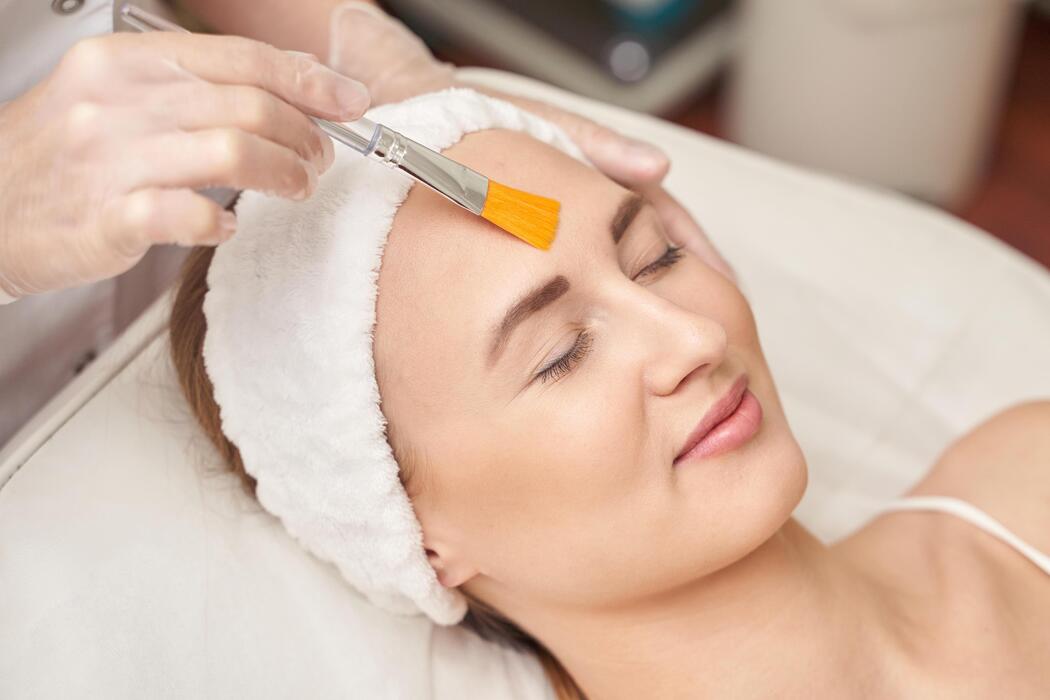
Quick Answer: “Yes, chemical peels can be worth it for uneven skin tone, dullness, mild discoloration, fine lines, and rough texture. A professionally selected peel removes damaged surface skin and encourages a smoother, brighter complexion. The best peel depends on your skin type, concerns, sensitivity, and how much downtime you can manage.”
When skin starts looking dull, uneven, or rough despite a consistent skincare routine, exfoliation at home may only go so far. Chemical peels provide a more controlled form of exfoliation designed to remove damaged surface cells and reveal fresher-looking skin underneath.
DermCare of Westchester offers customized chemical peels for concerns including dullness, fine lines, and acne scars as part of its cosmetic dermatology services. The right treatment depends on your skin, the concern you want to improve, and the amount of recovery time that works for you.
What Does a Chemical Peel Actually Do?
A chemical peel uses a carefully selected solution to exfoliate layers of the skin. As treated surface cells shed, newer skin becomes more visible.
Depending on the type and strength of peel, treatment can help improve:
- Dull-looking skin
- Uneven skin tone
- Rough texture
- Mild discoloration
- Fine lines
- Certain post-acne marks
- Sun-related changes
- Overall skin brightness
Chemical peels do not simply make the skin “peel.” The goal is controlled resurfacing. The depth of that resurfacing determines both the potential improvement and the amount of downtime.
Why Does Skin Start Looking Dull or Uneven?
Dull skin usually develops gradually. Dead skin cells can accumulate on the surface while environmental exposure, aging, dryness, and pigmentation changes make the complexion look less even.
Common contributors include:
- Sun exposure
- Dry or dehydrated skin
- Slower skin-cell turnover with age
- Post-acne discoloration
- Uneven pigmentation
- Inconsistent exfoliation
- Irritation from overly aggressive skincare
- Fine surface lines and rough texture
Sometimes the problem is not that you need more skincare products. The skin may need a different approach to exfoliation.
What Skin Concerns Respond Well to Chemical Peels?
Chemical peels can address several concerns at once, which is one reason they are commonly used for overall skin rejuvenation.
Dull complexion
Surface buildup can make otherwise healthy skin look tired or flat. Removing damaged surface cells can help the complexion appear brighter and fresher.
Uneven skin tone
Certain peels can help improve visible differences in tone caused by superficial pigmentation and post-inflammatory marks.
Fine lines
Chemical exfoliation can soften the appearance of some fine surface lines, particularly when they occur alongside rough or sun-damaged skin.
Rough texture
Peels can smooth areas where dead cells and uneven surface texture make the skin feel less refined.
Post-acne discoloration
Flat marks left after acne can sometimes respond well to chemical exfoliation. These marks are different from deeper depressed acne scars, which may require collagen-stimulating treatments.
Are Chemical Peels Worth It for Uneven Skin Tone?
For the right patient, yes. Chemical peels are especially useful when uneven tone is concentrated near the surface of the skin.
They may help when the main concern is:
- Patchy-looking tone
- Mild brown discoloration
- Post-acne marks
- Dull or tired-looking skin
- Surface sun damage
- A combination of texture and pigmentation
Not every form of pigmentation should be treated the same way. Melasma, deeper discoloration, and skin that develops pigment easily require a more cautious plan.
That is why professional evaluation matters. The goal is to brighten the skin without creating unnecessary irritation that could make pigmentation worse.
Different Peel Depths and What They Mean
Chemical peels are generally described as superficial, medium, or deep based on how far the treatment penetrates.
Superficial peels
Superficial or light peels work primarily on the outermost skin layers. They generally involve less downtime and may be appropriate for mild dullness, uneven texture, and superficial discoloration.
They are often performed as a series because each session creates a controlled, gradual improvement.
Medium-depth peels
Medium peels penetrate farther into the skin and can address more noticeable discoloration, texture changes, and fine lines.
Because treatment is stronger, redness, peeling, and recovery are usually more noticeable than with a light peel.
Deeper resurfacing
Deeper chemical resurfacing involves considerably more downtime and risk and is not interchangeable with the lighter cosmetic peels commonly used for routine brightening.
The appropriate depth should be selected by a qualified medical professional based on your skin and goals.
What Happens During a Chemical Peel?
A professional chemical peel begins with an assessment of your skin. Your provider considers factors such as skin tone, sensitivity, current skincare products, pigmentation, acne history, and treatment goals.
The skin is prepared before the peel solution is applied in a controlled manner.
During treatment, you may experience sensations such as:
- Tingling
- Warmth
- Mild stinging
- Tightness
The experience varies based on the peel and its strength.
Afterward, your provider gives specific instructions for protecting the skin while it heals. Following those instructions is an important part of getting a good result.
What Does Your Skin Look Like After a Chemical Peel?
Recovery depends heavily on peel depth.
A light peel may cause:
- Mild redness
- Dryness
- Tightness
- Light flaking
- Temporary sensitivity
A stronger peel may involve more obvious peeling, redness, swelling, and a longer recovery period.
One important rule applies to every peel: do not force the peeling process.
Picking, scrubbing, or pulling at flaking skin can irritate and increase the risk of discoloration or scarring.
Chemical Peels vs. Microneedling vs. Laser Treatment
Chemical peels are not automatically the best treatment for every skin concern. Other procedures may make more sense when texture changes or pigmentation sit deeper in the skin.
| Treatment | Often Best Suited For | How It Works | Typical Treatment Focus |
| Chemical Peels | Dullness, uneven tone, superficial pigmentation, mild texture | Controlled chemical exfoliation | Surface renewal and brightness |
| Microneedling | Scars, texture, collagen loss, fine lines | Creates controlled micro-injuries | Collagen stimulation |
| Laser Rejuvenation | Pigmentation, texture, redness, signs of aging | Uses targeted light or laser energy | More targeted resurfacing |
| Skincare | Maintenance and mild concerns | Supports skin barrier and cell turnover | Long-term prevention and maintenance |
Some patients benefit from one approach. Others may eventually use different treatments for different concerns.
The important question is not which treatment sounds strongest. It is which one matches what is actually happening in your skin.
Who Is a Good Candidate for a Chemical Peel?
Chemical peels may be worth considering if you have generally healthy skin and want improvement in surface-level tone, texture, or brightness.
Good candidates often want to address:
- Dull skin
- Mild pigmentation
- Fine lines
- Rough texture
- Post-acne marks
- Mild sun-related changes
Your dermatologist should also consider how easily your skin becomes irritated or develops discoloration.
People with very reactive skin, active irritation, certain skin conditions, or recent procedures may need to delay treatment or choose another approach.
Chemical Peels and Different Skin Tones
Chemical peels can be used across different skin tones, but treatment must be selected carefully.
Skin that is more prone to post-inflammatory hyperpigmentation can develop dark marks after excessive irritation. A more aggressive peel is not necessarily a better peel.
A dermatologist may adjust:
- Peel type
- Peel strength
- Preparation before treatment
- Treatment frequency
- Aftercare
- Sun-protection recommendations
Customized treatment is particularly important when pigmentation is one of the main reasons for getting a peel.
How Should You Prepare for a Chemical Peel?
Preparation varies depending on the peel and your skincare routine.
Before treatment, tell your dermatologist about:
- Prescription skincare
- Retinoids or retinol
- Exfoliating acids
- Acne treatments
- Recent cosmetic procedures
- History of cold sores
- Skin sensitivity
- Current irritation or breakouts
Do not make aggressive changes to your skincare routine immediately before treatment unless instructed.
Trying several new acids or exfoliants before a professional peel can leave the skin unnecessarily sensitive.
Aftercare Makes a Major Difference
Freshly treated skin needs protection while the barrier recovers.
Your specific instructions may vary, but common principles include:
- Cleanse gently
- Moisturize as directed
- Use daily sun protection
- Avoid picking or peeling
- Pause harsh exfoliants until cleared
- Avoid unnecessary heat and irritation
- Follow your provider’s timeline for restarting active ingredients
A complicated routine is not always better during recovery. Keeping skincare simple often gives healing skin fewer opportunities to become irritated.
Once the skin has recovered, a consistent routine helps maintain the improvement from treatment. DermCare’s guide to choosing the right skin care routine for your skin type can help you understand how cleansing, moisturizing, exfoliation, and sun protection fit together.
How Many Chemical Peels Do You Need?
The number varies based on the peel strength and what you are trying to improve.
Light peels are often used as a series because improvement builds gradually. A stronger peel may produce more noticeable change from one treatment but also requires more recovery.
Your treatment plan may depend on:
- Severity of discoloration
- Skin sensitivity
- Texture concerns
- Treatment depth
- Desired results
- Response to previous sessions
- Available downtime
It is better to evaluate progress between treatments than to assume more aggressive treatment will produce a better result.
How Long Do Chemical Peel Results Last?
Results are not permanent because skin continues to age and remains exposed to environmental factors.
Long-term results depend partly on what happens after treatment.
Daily sunscreen, an appropriate skincare routine, and avoiding unnecessary irritation can help preserve a brighter and more even complexion.
Future treatments may be considered when dullness or uneven tone becomes noticeable again.
What Patients Ask About Chemical Peels
Are chemical peels good for dull skin?
Yes. Dullness is one of the concerns chemical peels commonly address because controlled exfoliation removes damaged surface cells and can reveal a brighter-looking complexion.
Can a chemical peel improve uneven skin tone?
Chemical peels can improve certain types of superficial uneven pigmentation and post-acne discoloration. The cause and depth of pigmentation should be evaluated before choosing a peel.
How long does your face peel after a chemical peel?
It depends on the peel depth. Light treatments may cause mild flaking for several days, while stronger peels can involve a more noticeable and longer recovery.
Is one chemical peel enough?
Sometimes one treatment produces visible improvement, but lighter peels are commonly performed as a series. Your dermatologist can recommend a schedule based on your concern and response.
Should I get a chemical peel or microneedling?
Chemical peels tend to focus more on surface tone, dullness, and superficial pigmentation. Microneedling focuses more on collagen stimulation, scars, and texture. The right choice depends on your primary concern.
Can chemical peels make pigmentation worse?
Irritation can trigger pigmentation in some skin types. Choosing the appropriate peel and following aftercare instructions carefully can help reduce that risk.
Can I exfoliate after a chemical peel?
Do not add scrubs, acids, or other exfoliating treatments until your provider says your skin is ready. The peel has already performed the exfoliation, and overdoing it can interfere with healing.
Brighter, More Even Skin Starts With the Right Treatment
Chemical peels can be a worthwhile option when dullness, uneven tone, fine surface lines, or rough texture are keeping your skin from looking as clear and refreshed as you would like. The key is choosing a peel based on your actual skin concerns rather than simply choosing the strongest treatment available.
DermCare of Westchester offers customized chemical peels as part of its cosmetic dermatology care, allowing treatment to be tailored to your skin type and goals. To find out whether a chemical peel is right for your skin, schedule a consultation through the contact us page.