
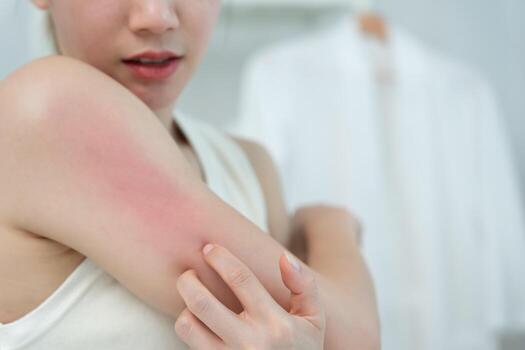
A rash can be frustrating because it does not always have an obvious cause. One day, your skin feels normal, and the next, it is red, itchy, swollen, dry, bumpy, or burning. Sometimes the trigger is clear, like poison ivy or a new skincare product. Other times, the irritation keeps coming back with no easy explanation.
That is where a dermatology evaluation matters. Rashes and allergic skin reactions can look similar on the surface, but they may come from very different causes. DermCare of Westchester treats skin reactions ranging from contact dermatitis to more severe allergies through its medical dermatology services, helping patients identify triggers, calm inflammation, and protect the skin barrier long term.
This guide explains the most common causes of rashes and skin allergies, when to see a dermatologist, and what a personalized treatment plan may include.
Why Skin Rashes Happen
A rash is not one single condition. It is a visible sign that the skin is reacting to something. That reaction may come from irritation, allergy, inflammation, infection, an underlying skin condition, or even environmental exposure.
Some rashes appear suddenly and disappear quickly. Others keep returning, spread to new areas, or become uncomfortable enough to affect sleep, work, or daily life.
Common rash symptoms include:
- Redness or discoloration
- Itching or burning
- Dry, cracked, or scaly skin
- Raised bumps or welts
- Blisters or oozing
- Swelling or tenderness
- Flaking around the face, hands, neck, or body
Because many skin conditions overlap, the right diagnosis is the first step toward real relief.
Contact Dermatitis: One of the Most Common Causes
Contact dermatitis happens when the skin reacts after touching a substance. It can be caused by irritation or by an allergic reaction.
Irritant contact dermatitis
This happens when something damages or disrupts the skin barrier. It does not require a true allergy. Common irritants include soaps, detergents, cleaning products, hand sanitizers, fragrances, acids, exfoliants, and certain skincare ingredients.
People who wash their hands often, use strong products, or already have sensitive skin may be more likely to develop irritation.
Allergic contact dermatitis
This happens when the immune system reacts to a specific substance. The reaction may appear hours or even days after exposure, which can make the trigger harder to identify.
Common allergy triggers include:
- Nickel in jewelry, watches, or belt buckles
- Fragrance in lotions, soaps, or detergents
- Preservatives in cosmetics or skincare products
- Hair dye ingredients
- Latex
- Plants such as poison ivy
- Topical antibiotics or medicated creams
Allergic contact dermatitis can be especially confusing because a product you used for years may suddenly start causing a reaction.
Skincare Products Can Trigger Rashes Too
Many people assume “natural,” “clean,” or expensive products are automatically safe for sensitive skin. Unfortunately, even high-quality products can irritate the wrong skin type.
Common skincare-related rash triggers include:
- Overuse of retinol or exfoliating acids
- Fragrance or essential oils
- Harsh acne treatments
- Too many active ingredients at once
- Scrubs that damage the skin barrier
- Heavy products that trap heat or sweat
This is one reason a rash evaluation often includes reviewing your daily routine. The issue may not be one product alone, but how several products are interacting with your skin.
How Dermatologists Diagnose Rashes and Allergies
A dermatologist looks at more than just the rash. The pattern, timing, location, symptoms, and history all help narrow the cause.
Location of the rash
Where the rash appears can provide important clues.
For example:
- Eyelid rashes may be related to cosmetics, nail polish, fragrance, or airborne allergens
- Neck rashes may come from perfume, hair products, jewelry, or clothing dyes
- Hand rashes may be linked to washing, sanitizers, gloves, or occupational exposure
- Waistline rashes may come from nickel, elastic, dyes, or friction
- Facial rashes may involve skincare products, rosacea, dermatitis, or irritation
Timing and exposure history
Your dermatologist may ask when the rash started, whether it comes and goes, and what changed around that time. New products, travel, gardening, cleaning supplies, medications, pets, workouts, and workplace exposures can all matter.
Skin exam and pattern recognition
Many rashes have recognizable patterns. A dermatologist can often distinguish between contact dermatitis, eczema, hives, fungal infections, psoriasis, rosacea flares, and other conditions based on how the rash looks and behaves.
Testing when needed
Not every rash needs testing. However, if the cause is unclear or the rash keeps returning, your dermatologist may recommend additional evaluation. The goal is to identify what is driving the reaction so treatment is not just temporary.
When a Rash Needs Medical Attention
Some mild rashes improve with basic care, but others should be checked sooner. You should consider seeing a dermatologist if:
- The rash lasts more than one to two weeks
- It keeps coming back
- It spreads quickly
- It is painful, blistering, or oozing
- It affects your eyes, lips, face, or genitals
- You have severe itching that disrupts sleep
- You notice signs of infection, such as warmth, pus, or increasing tenderness
- You are not sure if it is an allergy, eczema, infection, or something else
You should seek urgent care right away if a rash comes with trouble breathing, facial swelling, throat tightness, dizziness, or a severe whole-body reaction.
Treatment Options for Rashes and Skin Allergies
Treatment depends on the cause. A rash caused by contact dermatitis is treated differently from a fungal infection, hives, eczema flare, or medication reaction.
A dermatologist-guided plan may include:
Topical anti-inflammatory medications
These help calm redness, itching, and swelling. The strength and type depend on the body area and severity. Facial and eyelid skin, for example, usually needs a more careful approach than thicker skin on the hands or legs.
Barrier repair and gentle skincare
When the skin barrier is damaged, it becomes easier for irritants and allergens to cause more inflammation. Barrier repair may include gentle cleansers, fragrance-free moisturizers, and avoiding harsh active ingredients while the skin heals.
For patients whose rashes may be connected to product irritation, DermCare’s guide on choosing the right skin care routine for your skin type can be a helpful starting point.
Oral medications when needed
For more severe itching, swelling, or widespread reactions, oral medications may be recommended. These are chosen based on the diagnosis and your medical history.
Trigger avoidance plan
Long-term improvement often depends on avoiding the trigger. Your dermatologist may help you identify likely causes and simplify your routine while the skin recovers.
How to Reduce Rash Flare-Ups at Home
While you should not self-diagnose a persistent rash, there are safe steps that can help protect irritated skin.
Helpful habits include:
- Use fragrance-free cleanser and moisturizer
- Avoid scrubbing or exfoliating the rash
- Pause new skincare products until the skin calms
- Wear loose, breathable clothing when possible
- Avoid hot showers, which can worsen itching
- Keep nails short if scratching is a problem
- Use gloves carefully when cleaning, but avoid materials that trigger irritation
- Take photos of flare-ups to show your dermatologist
Photos are especially helpful when a rash comes and goes. They can show the pattern and severity even if your skin looks calmer on appointment day.
Why Rashes Often Come Back
A rash may return if the underlying trigger is still present. For example, a patient may use a prescription cream and improve, but then continue using the same fragrance, detergent, metal jewelry, or skincare ingredient that caused the issue.
Recurring rashes may also happen when the skin barrier has not fully recovered. Once the barrier is weakened, the skin becomes more reactive and easier to irritate.
That is why the best dermatology care does not only focus on calming today’s flare. It also looks at prevention.
Common Questions About Rashes and Skin Allergies
How do I know if my rash is an allergy or irritation?
Allergic and irritant rashes can look very similar. Allergic reactions often appear after exposure to a specific trigger, while irritation may happen from repeated contact with harsh products or barrier damage. A dermatologist can help identify the pattern.
Can a skincare product cause a rash even if I used it before?
Yes. Skin can become sensitized over time, and your barrier can also become more reactive during stress, weather changes, or after using too many active ingredients.
Should I stop all skincare products when I have a rash?
You may need to simplify your routine, but do not stop prescribed medications without guidance. A gentle cleanser and moisturizer are often helpful, while exfoliants, fragrance, and strong actives may need to be paused.
Is itching always a sign of an allergy?
No. Itching can come from allergy, dryness, eczema, irritation, insect bites, hives, infections, and other conditions. The pattern and timing help determine the cause.
When should I worry about a rash?
Get medical care if the rash is spreading quickly, painful, blistering, infected-looking, affecting the eyes or face, or paired with swelling, breathing trouble, fever, or feeling very unwell.
Clearer, Calmer Skin Starts With the Right Diagnosis
Rashes and skin allergies can be uncomfortable, distracting, and difficult to figure out on your own. The right dermatology evaluation helps identify whether your skin is reacting to a product, allergen, irritant, chronic condition, or something that needs more targeted treatment.
DermCare of Westchester helps patients manage rashes and allergic skin reactions with personalized care focused on relief, healing, and prevention. If you are dealing with a rash that will not go away or keeps coming back, you can schedule a visit through the contact us page.